Unpacking the Invisible Bag of Tricks – The 2025 Annual Report
I’ve now visibilized the invisible bag of tricks as part of the show–all the skills and lessons I was picking up along the way.
I’ve now visibilized the invisible bag of tricks as part of the show–all the skills and lessons I was picking up along the way.
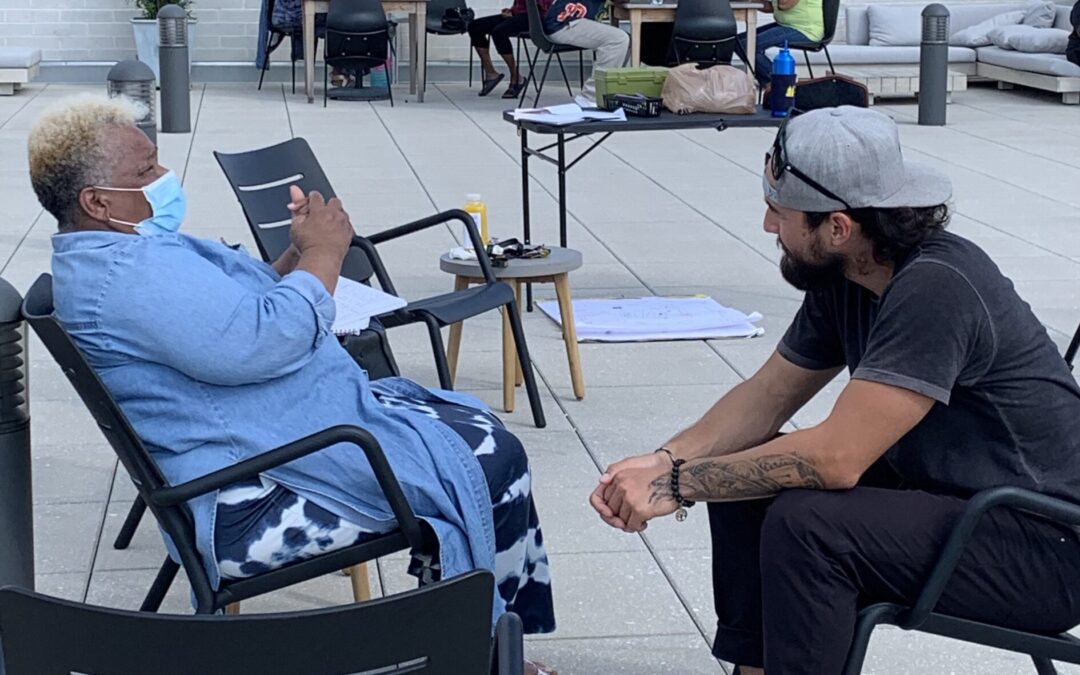
I know, for me, when I go to a storytelling event and throw my name in the hat to tell a story, until I get to go, I’m not really, completely listening to anyone else. I’m just waiting, practicing my story, rearranging the bullet points inside my head.
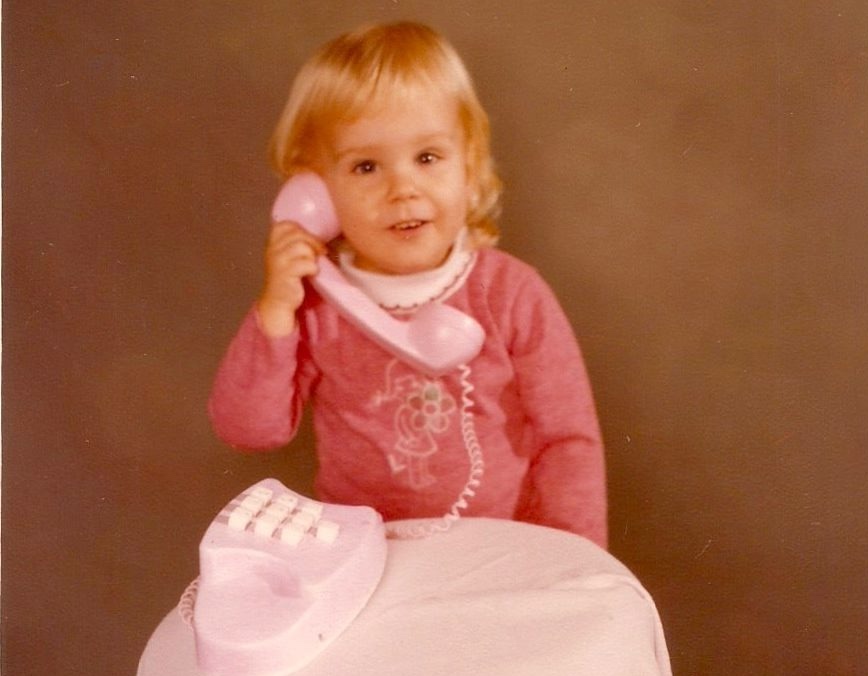
But what happens if my job is only successful if I learn how to really F.A.A.F.O.? What I’m learning is…I don’t think I get any better at my storytelling, especially if I’m going to make a whole full-length show, if I can’t learn to play–really play, like I’m a little kid again–and let some things fail.

As I have slept on hospital recliners, created calendars for coordinating treatment transportation and meal drop-offs, and called on networks for everything from emotional support to equipment donations, one clarion call keeps echoing in my ear. We are not doing elderhood the right way around here. It is terrifying, isolating. It can break your back and your bank.
A few years ago, I started letting go of many films in my ritual because, as someone pointed out to me, I ostensibly wanted to bring change into my life and perhaps doing the same thing over and over again was not serving that purpose. And, hello, watching He’s Just Not That Into You on Valentine’s Day was perhaps not the most efficacious way to find my semi-permanent dance partner.
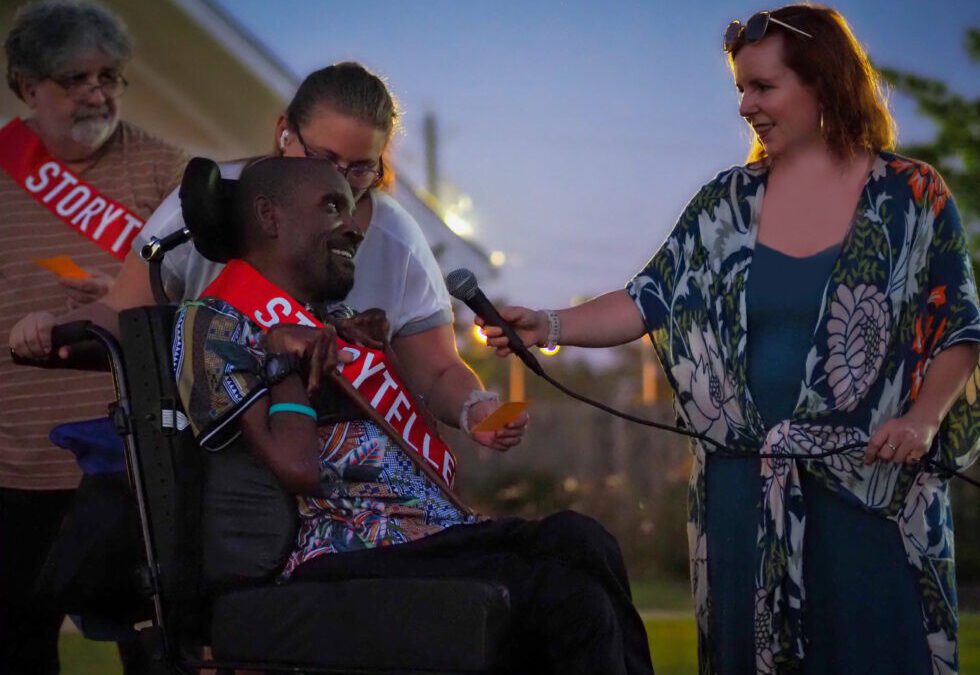
Some people will talk about community advocacy work as “empowering,” or even that they are “giving voice to the voiceless.” I like to think that every person I work with–every kind of person I work with–has their own power, their own voice.